A refined digital platform and SEO strategy designed to strengthen authority, visibility, and engagement with high-net-worth audiences globally.
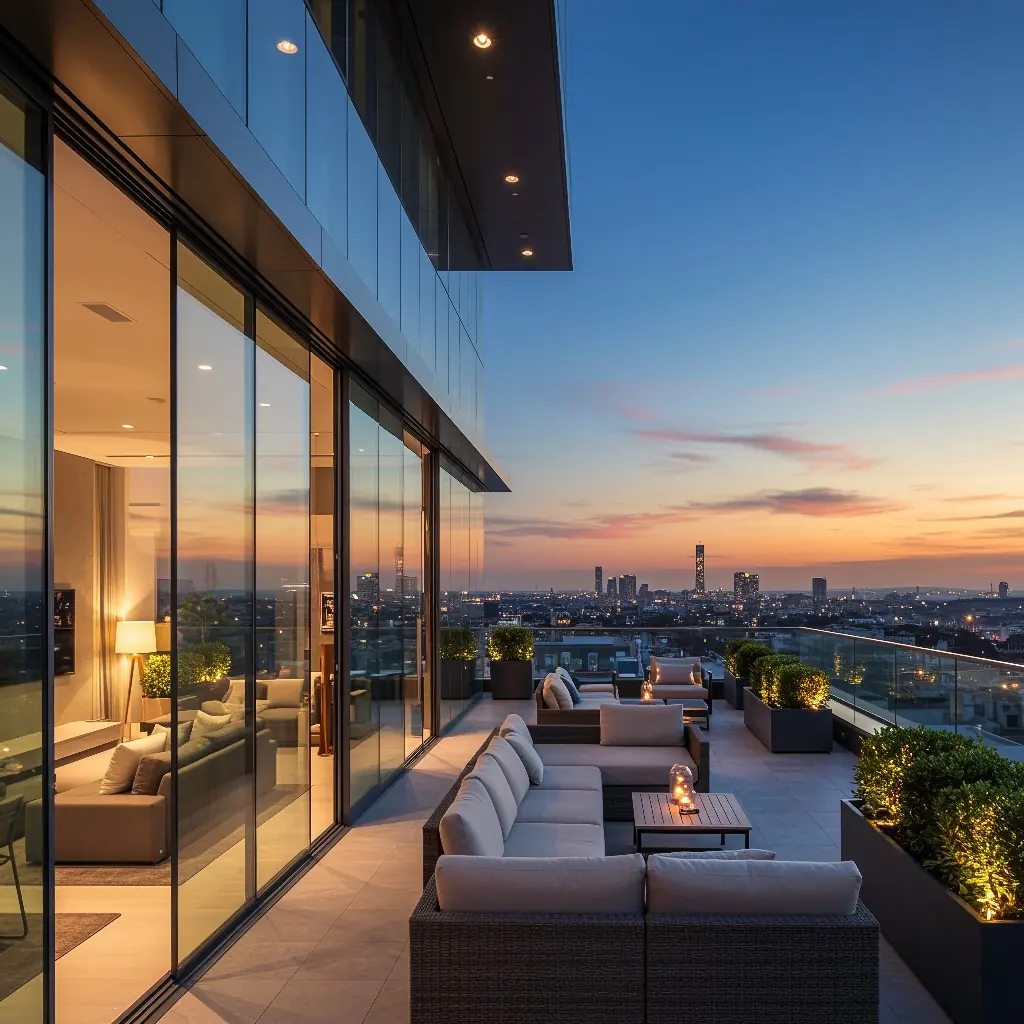
We build fast, well-made websites for businesses that need their site to bring in work, not just look the part. Senior developers, a platform that suits your team, and SEO handled during the build rather than patched on afterwards.










Website development is the work of turning a design into a working website. It covers the front-end code people see, the content management system your team edits, the forms and integrations behind it, and the speed, security and structure that search engines read. It sits between design and launch, and it decides how well the site performs for years afterwards.
Last reviewed 25 October 2026 by the Rubik Digital team.
The templates, layouts and interactions people use, written to be fast and accessible.
Where content lives, who can edit it and how it reaches the page.
CRM, analytics, payments and booking tools connected so data goes where it's needed.
The parts of ranking that are decided in the code: speed, structure and markup.
How we fix it
The same senior team covers every part of the build, so nothing is handed to someone who wasn't in the room when it was planned.
We look at what you have, agree what the site needs to do and choose the platform before anyone opens a code editor.
Semantic, accessible HTML, CSS and JavaScript built from your design system and tested on real phones, tablets and browsers.
Content types, reusable blocks and editor permissions shaped around your team, on WordPress, Strapi, Payload or Concrete CMS.
CRM, marketing automation, booking, payments and analytics connected, so enquiries land where your team already works.
Core Web Vitals, structured data, clean URLs, redirects and metadata handled as part of the build, not after it.
Browser, device and accessibility testing, a planned go-live and a walkthrough so your editors are comfortable from day one.
A few recent builds and a published result from each. Every one was designed and developed by the same team you'd work with.
A refined digital platform and SEO strategy designed to strengthen authority, visibility, and engagement with high-net-worth audiences globally.
We repositioned a complex compliance platform into a clear enterprise proposition, aligning product, messaging and UX to support high-value pipeline growth.

A refined digital experience designed to attract luxury-focused audiences and generate qualified enquiries for high-end interior collections.
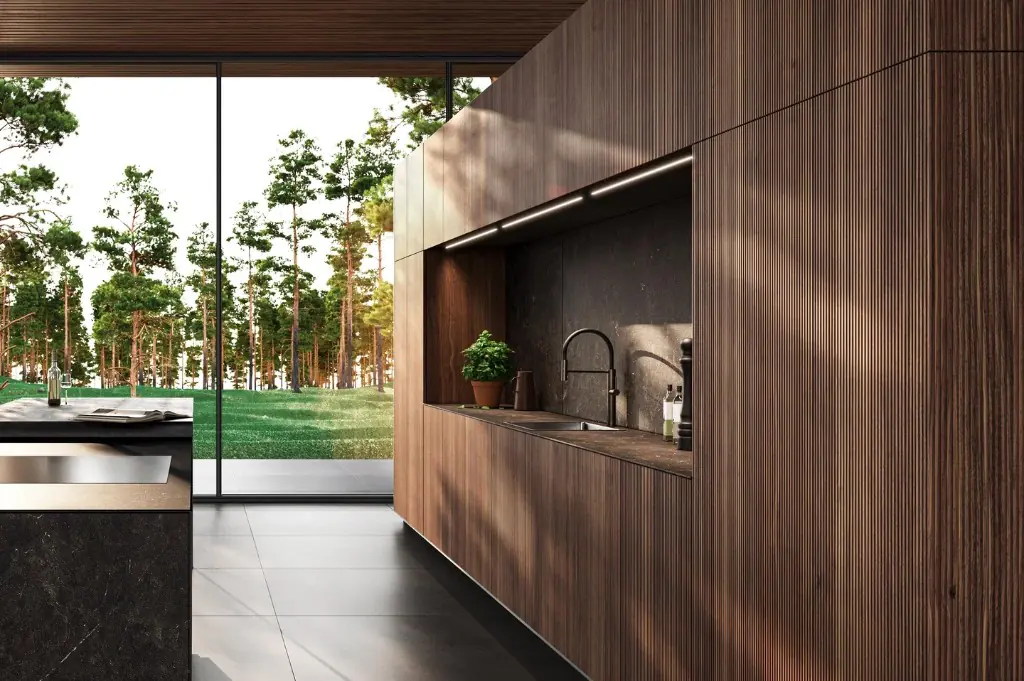
Cupello was built from the ground up as a digital platform for football coaches, covering product strategy, UX, design, and platform delivery.

Four stages and one team. You speak to the people doing the work at every point, not a go-between.
Workshops, a look at your analytics and current site, then a written scope with the platform, templates and integrations agreed.
Clickable designs for the key templates, signed off before development starts, so there are no surprises later.
Development on a staging site you can visit any time, with speed and accessibility checks on every template.
Redirects mapped, analytics checked, and Search Console watched closely through the first weeks after launch.
We don't have a favourite. We do have opinions about which platform suits which job, and we'll tell you if the one you have in mind is the wrong fit.
| Platform | Best for | How editing feels | Watch out for |
|---|---|---|---|
| WordPress | Content-led marketing sites that publish often | Familiar block editor most teams pick up quickly | Plugin sprawl if nobody keeps it in check |
| Strapi or Payload (headless) | Content shared across a website, an app or several markets | Structured fields that keep content tidy and reusable | A separate front end to build, host and maintain |
| Concrete CMS | Sites where editors want to change pages in place | Edit directly on the page you're looking at | A smaller ecosystem of add-ons than WordPress |
| Custom React build | Product-like sites, portals and complex logic | Whatever the project needs, built to order | Higher build cost, and changes need a developer |
It depends on how many templates the site needs, how much content moves across and what it has to connect to. Two ten-page websites can be very different jobs, so we don't publish a price list. After a short call you get a fixed, itemised proposal that shows where the budget goes.
8–16 weeks
Typical build, from discovery to launch
What moves the price
Each distinct page layout is designed, built and tested. Ten pages built from three templates cost far less than ten one-offs.
Effect on budget: High
Moving a few pages by hand is quick. Hundreds of articles, products or downloads need scripting, checking and redirects.
Effect on budget: Medium
Each connection to a CRM, booking system, payment provider or internal tool adds build and testing time.
Effect on budget: Medium
Multi-language or multi-region sites need translation workflows, hreflang and sometimes separate content structures.
Effect on budget: Medium
Calculators, configurators, gated areas and custom search are where budgets grow fastest, so we scope them first.
Effect on budget: High
Plenty of agencies can make a website look good. Fewer stay answerable for how it performs once it's live.
Expert guidance and flawless execution. Our go‑to agency for all things digital.”
What people usually ask us before a project starts. If yours isn't here, ask it in the form and someone senior will reply.
Design decides how the site looks and how people move through it. Development turns that design into working code: the templates, the CMS, forms and integrations, and the performance and security underneath. The best projects overlap the two, so developers can flag what's feasible while designs are still being drawn.
Start a conversation
Tell us where things stand and what you want the site to do. Someone senior will read it and reply personally.