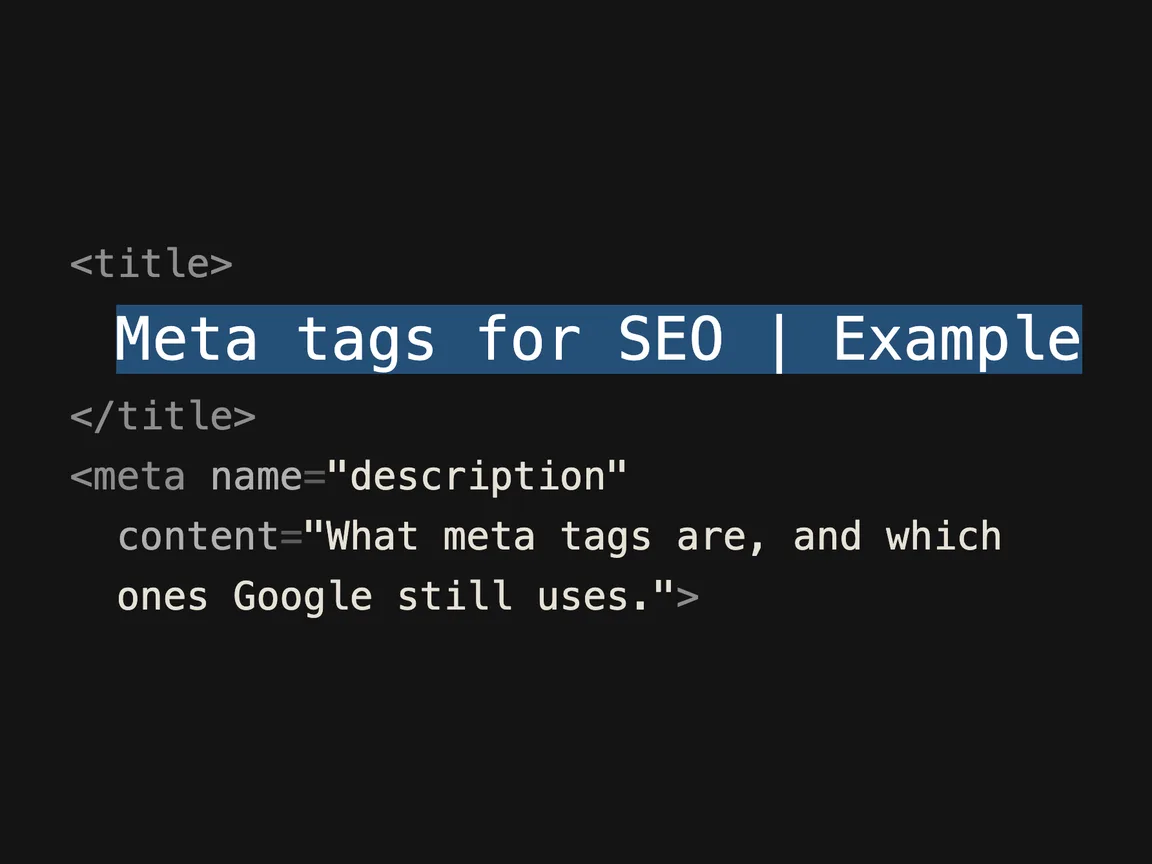
Fintech SEO is the work of getting a financial technology company found in Google, Bing and AI assistants by the people who need its product, while keeping every page inside the financial promotion rules of each market it serves. It is ordinary SEO plus three things most sectors can skip: Google's higher trust bar for money topics, compliance review of what you publish, and the technical quirks of product-led, JavaScript-heavy websites and apps.
This guide is for payments, banking, lending, wealth, insurance, crypto and B2B infrastructure companies selling in the UK, the US or both. It covers strategy, the pages that win customers, compliant content under UK and US rules, technical SEO for apps, and how to get cited in AI answers. If you are a broker, lender or adviser rather than a technology company, start with our guide to SEO for financial services instead.
Fintech SEO in brief
- Trust comes first: Google treats financial pages as “Your Money or Your Life” content and looks harder for evidence of who is behind them.
- Start at the bottom of the funnel: pricing, comparison, alternative and integration pages bring sign-ups long before broad guides do.
- Build compliance into the process: a library of pre-approved claims and risk warnings set in the CMS let you publish quickly without new risk.
- Make sure crawlers can read your site: render marketing pages on the server. Many AI crawlers don't run JavaScript at all.
- Treat UK and US as separate markets: different regulators, different spelling, different search behaviour, connected with hreflang.
- Measure funded or activated accounts, not traffic: a sign-up that fails onboarding isn't a customer.
What makes fintech SEO different from other SEO?
The mechanics are the same as any SEO: crawlable pages, content that answers real searches and links from sites people trust. What changes is the standard you are held to. Google's search quality rater guidelines class pages that could affect someone's financial stability as “Your Money or Your Life” (YMYL) topics and ask raters to look much harder for experience, expertise, authoritativeness and trust (E-E-A-T). Raters don't rank pages, but their assessments shape the systems that do.
| Typical SEO | Fintech SEO | |
|---|---|---|
| Trust bar | Helpful, accurate content | YMYL: named experts, regulatory status and a real company behind every page |
| Publishing | Write, edit, publish | Write, edit, compliance review, record approval, publish |
| Competitors in results | Similar-sized businesses | Banks, comparison sites, national publishers and well-funded challengers |
| Website | CMS-driven marketing site | Marketing site plus web app, docs, help centre and app store listings |
| Markets | Often one country | Often UK and US, each with its own regulators and wording |
| Conversion | Enquiry or sale | Sign-up, then identity checks, then a funded or active account |
Why is SEO worth it for fintech companies?
Finance is one of the most expensive categories in paid search, and the cost of each click keeps rising as more challengers compete for the same customers. Organic search is the channel where that cost compounds the other way: a page that ranks this year keeps bringing sign-ups next year without a bid.
Search also does a job advertising can't. Before someone hands over bank details or connects a payment flow, they check you out. They search your brand with “review”, “safe” or “legit”, compare you with alternatives and ask AI assistants which providers to trust. If the answers they find are yours, accurate and reassuring, you convert more of the demand your other channels create.
And AI search is built on top of search indexes. ChatGPT search, Copilot and Google's AI Overviews all retrieve web pages before they answer. A fintech that is invisible in search is usually invisible in AI answers too.
B2C and B2B fintech SEO: what changes?
Most fintech SEO advice blurs consumer apps and business platforms together. They need different strategies:
| B2C fintech (apps, cards, savings, investing) | B2B fintech (payments, banking-as-a-service, APIs, finance software) | |
|---|---|---|
| Who searches | Individuals, often on a phone | Finance teams, founders, product managers and developers |
| What they search | Problems and products: “best way to send money abroad”, “joint account app” | Capabilities and integrations: “open banking API”, “accounts payable automation for Xero” |
| Pages that win | Product pages, fee pages, calculators, comparisons, app store listings | Use case, integration, comparison and pricing pages, plus developer documentation |
| Sales cycle | Minutes to days | Weeks to months, several people involved |
| Conversion | App install, sign-up, funded account | Demo request, sandbox sign-up, sales conversation |
| Strongest trust signal | Regulatory status, how money is protected, reviews | Security certifications, uptime, customers and partner listings |
B2B fintech sits close to SaaS: the playbook in our SaaS SEO service applies, with financial compliance layered on top.
How do you find the right fintech keywords?
Map keywords to where the searcher is in their decision, then build one page type for each stage. Volume matters less than intent: a search with 50 monthly searches from people comparing providers is worth more than a definition searched by thousands of students.
| Stage | What they want | Example searches | Page to build |
|---|---|---|---|
| Problem aware | To understand the problem | “how to reduce card payment fees”, “how to save for a house deposit” | Guide or explainer |
| Solution aware | The type of product that solves it | “open banking payments for ecommerce”, “Lifetime ISA app” | Use case or category page |
| Comparing | To shortlist providers | “[competitor] alternatives”, “[product] vs [competitor]”, “best business account for freelancers” | Comparison and alternatives pages |
| Ready to act | Cost, fit and reassurance | “[product] pricing”, “[product] fees”, “is [product] safe”, “[product] Xero integration” | Pricing, security, integration pages |
| Customer | To get something done | “how to [task] in [product]”, “[product] API webhooks” | Help centre and documentation |
The best sources for these searches are rarely keyword tools on their own. Use:
- Google Search Console and Bing Webmaster Tools: queries you already appear for in positions 5 to 20 are the quickest wins. Our Search Console guide shows how to find them.
- Sales calls and support tickets: the exact words customers use, including the objections that stop them signing up.
- Competitor gaps: the comparison and integration searches competitors rank for and you don't.
- People Also Ask and AI assistants: ask ChatGPT and Copilot the questions your buyers ask and note which providers and pages they cite.
Start at the bottom of the funnel. Pricing, comparison and integration pages convert soonest, and they give the rest of the site something to link to.
Which pages should a fintech website have?
Rankings follow structure. The fintech sites that perform best have a dedicated, indexable page for each thing a buyer might search for, rather than one long features page.
Product and feature pages
One page per product or major feature, covering who it is for, how it works, what it costs, how money is protected and the risks. Write the page so that someone who never reads another page on your site could still decide.
Use case and industry pages
“Payments for marketplaces”, “business accounts for contractors”, “expense cards for construction firms”. Each page should describe a real situation in that audience's language, not repeat the product page with a different heading.
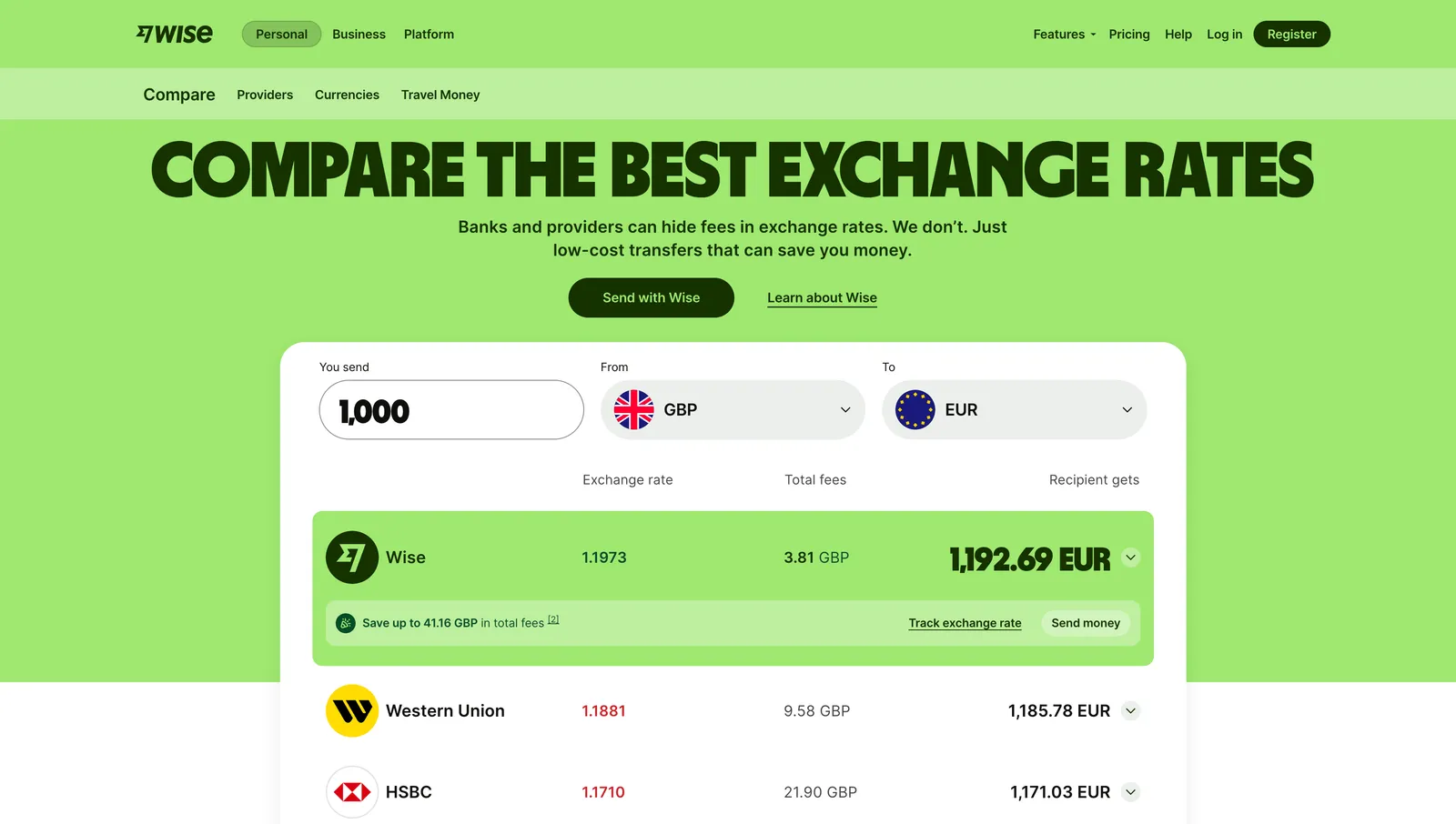
Comparison and alternative pages
These are often the highest-converting pages a fintech can publish, and the riskiest. Comparisons must be fair, accurate, verifiable and dated. In the UK, the CAP Code's rules on comparative advertising and the FCA's “fair, clear and not misleading” standard both apply; in the US, unsupported claims about competitors invite FTC and state scrutiny. Compare on things you can show, such as published fees, features and supported countries, and record when you last checked them.
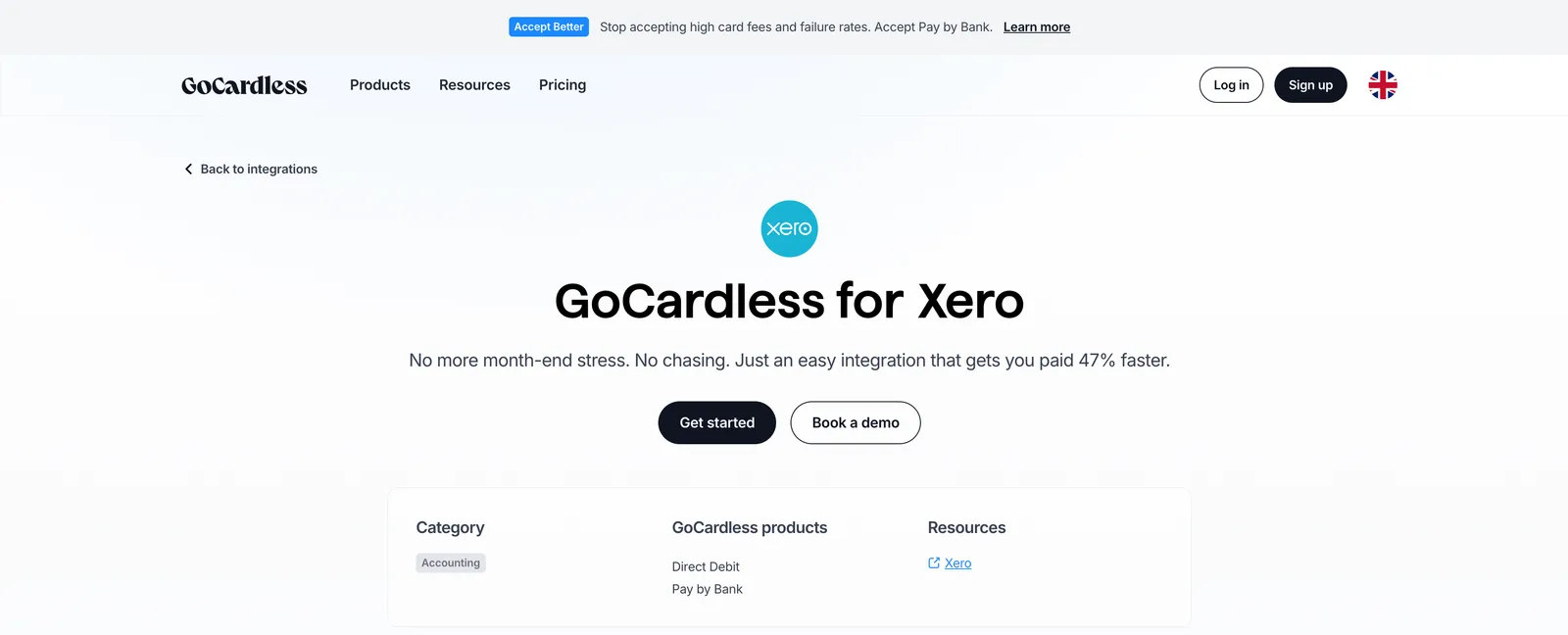
Integration and partner pages
For B2B fintech, “[your product] + [accounting tool]” searches come from buyers who are close to a decision. Give every major integration its own page explaining what syncs, how setup works and who it suits, and ask partners to link to it from their marketplace listings.
Pricing and fees
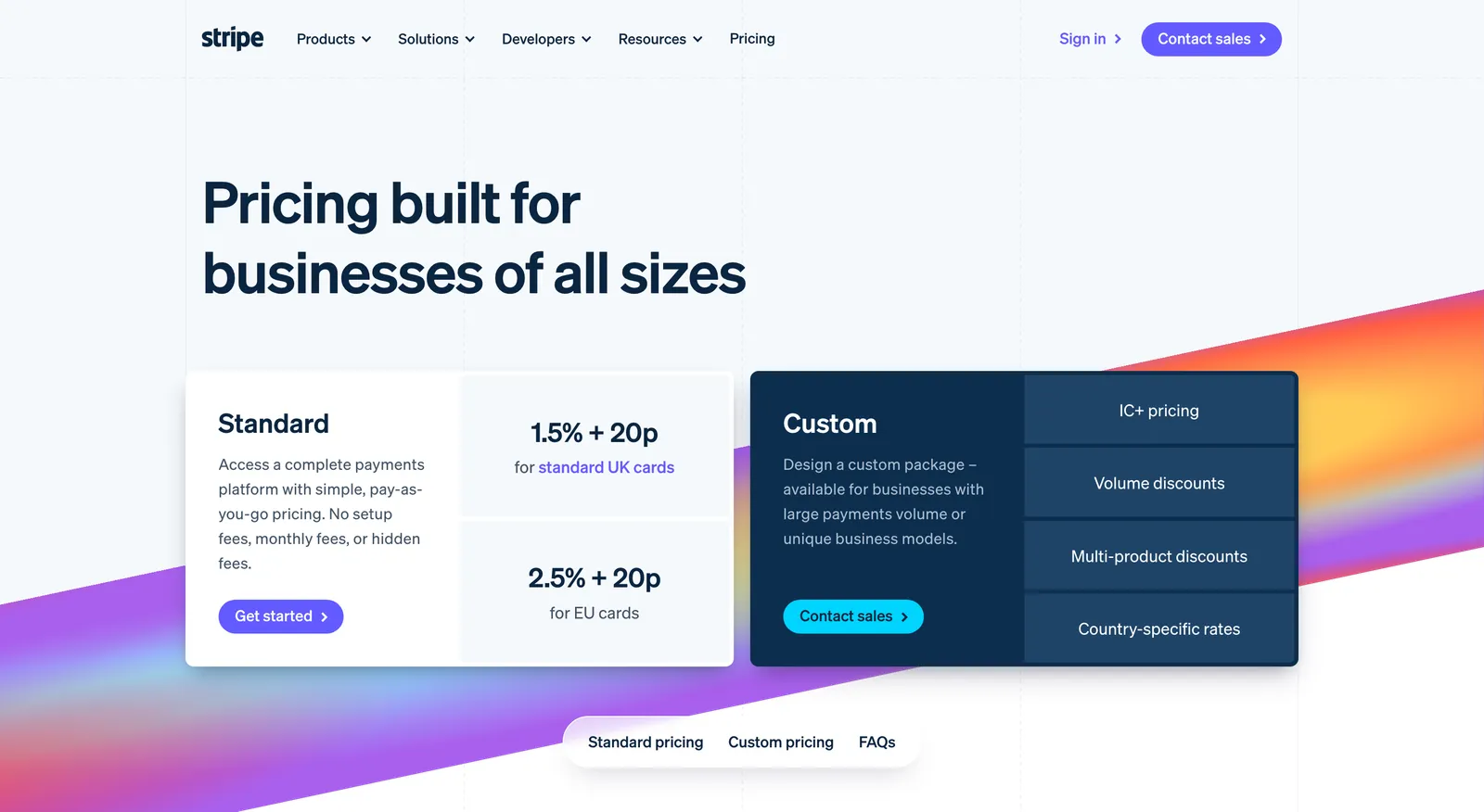
A clear, crawlable pricing page ranks for “[brand] fees” and “[brand] pricing”, answers the question AI assistants are most often asked about providers, and supports the UK Consumer Duty's expectation that customers understand what they pay. Hiding prices behind a sign-up wall hands those searches to comparison sites.
Calculators and tools
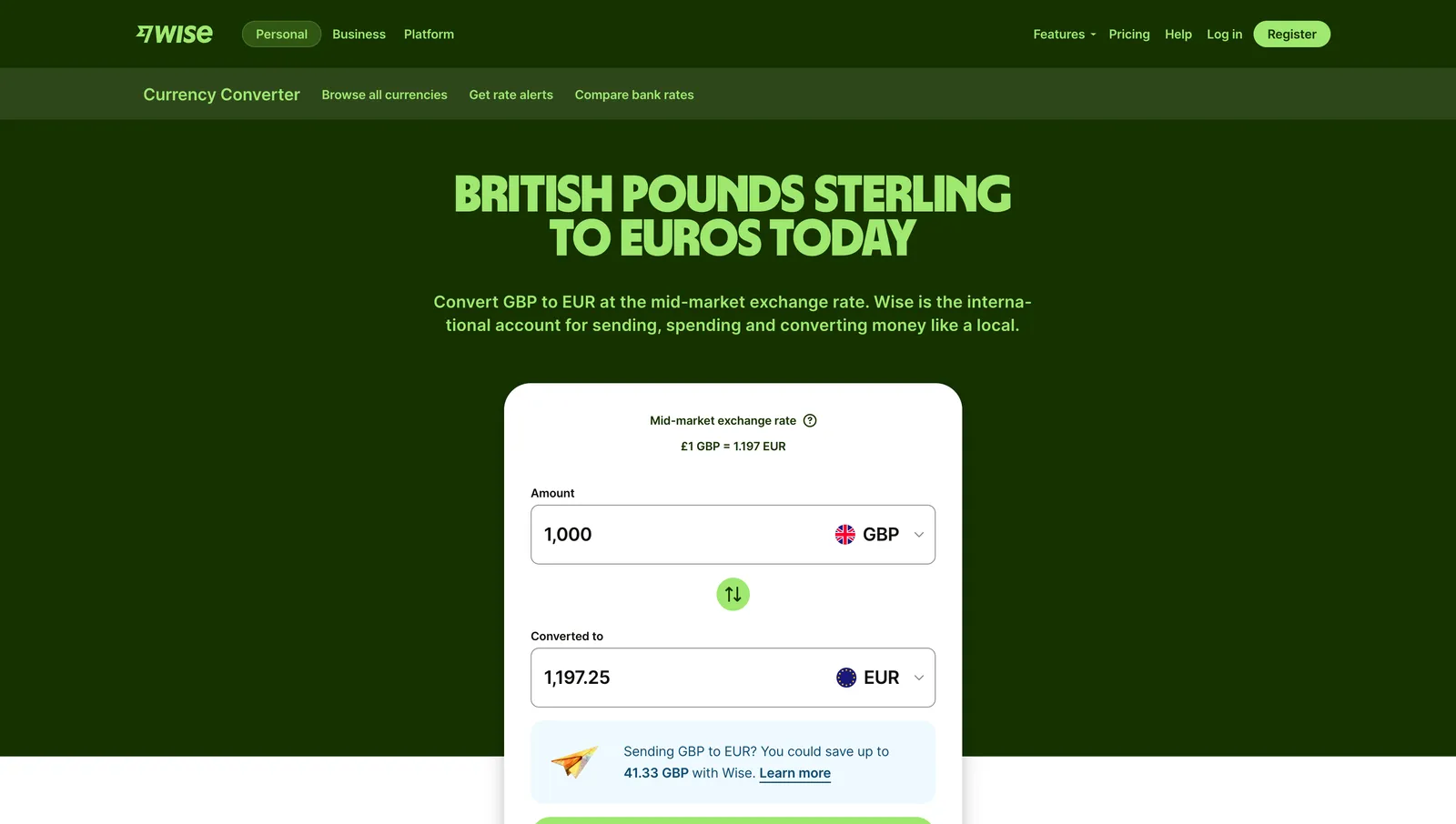
Loan, savings, FX and fee calculators earn links and rank well, but only if search engines can read them. Put the explanation, assumptions and an example result in the page's HTML, not only inside the interactive widget, and keep the assumptions up to date.
Glossary and explainers
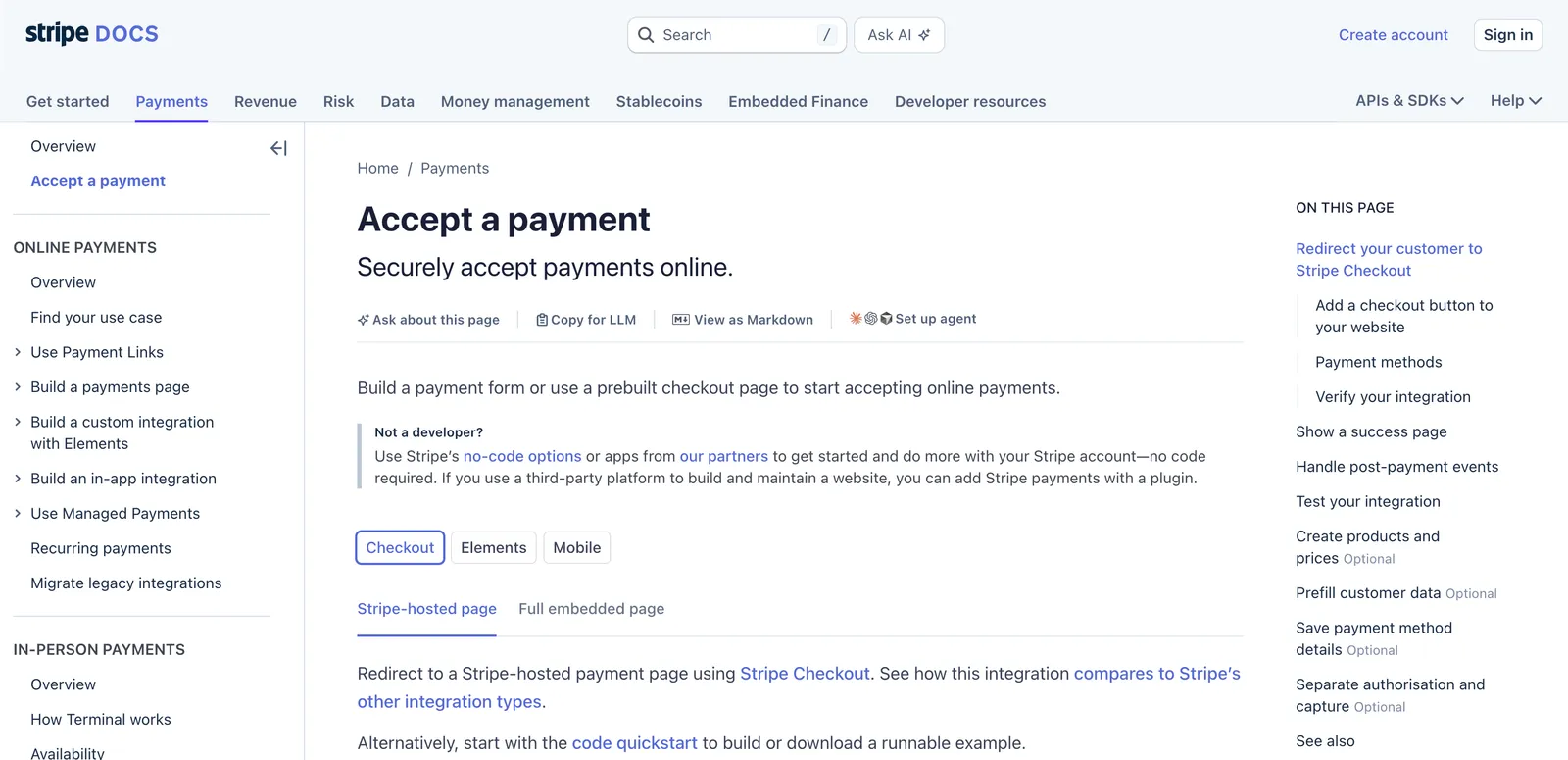
Short, accurate definitions of terms such as safeguarding, open banking, PSD2 or ACH. They rarely convert directly, but they are exactly what AI answers quote, and each one should link to the product page it relates to.
Developer documentation
For API-first fintechs, documentation is a marketing channel. Developers search for error messages, endpoints and “how to” tasks. Keep docs crawlable, give each version a single canonical address and link from docs to the matching product and pricing pages.
Trust, security and regulatory pages
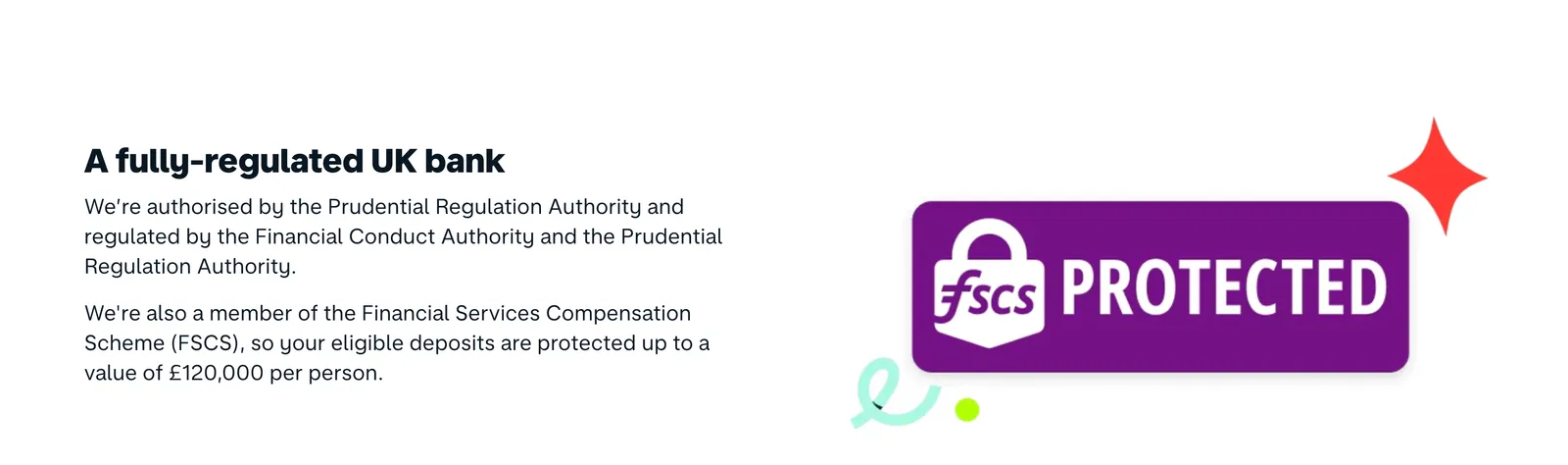
Searches such as “is [brand] safe” and “is [brand] regulated” are among the most valuable you will get. Answer them on your own site: who regulates you, your firm reference or registration numbers, how customer money is protected and how to complain. Be exact. In the UK, money held by an e-money institution is safeguarded rather than covered by the FSCS, and implying otherwise is misleading. In the US, the FDIC has rules against misrepresenting deposit insurance, which matters to any fintech that holds deposits through partner banks.
“The fintech pages that win in search are the ones that answer the question a cautious buyer is actually asking. Not 'what does this product do?' but 'what happens to my money, what does it cost and who is responsible if it goes wrong?'”
How do you keep fintech SEO content compliant in the UK and US?
Much of what a fintech publishes for SEO counts as a financial promotion or regulated advertising, including blog posts, comparison pages and app store descriptions. The firm stays responsible for it, not the agency or the writer. These are the main rules to plan around; your compliance team and legal advisers decide how they apply to you.
| Rules | Market | Applies to | What it means for content |
|---|---|---|---|
| FCA financial promotion rules | UK | Authorised firms and promotions they approve | Fair, clear and not misleading; benefits balanced with prominent risks |
| FCA Consumer Duty | UK | Firms serving retail customers | Content must help customers understand products, prices and risks, and be tested to show it does |
| Cryptoasset promotions regime | UK | Anyone promoting cryptoassets to UK consumers | Prescribed risk warnings, a 24-hour cooling-off period for first-time investors, no refer-a-friend bonuses |
| CAP Code (enforced by the ASA) | UK | All advertisers | Claims, including comparisons, must be substantiated and not misleading |
| SEC Marketing Rule | US | Registered investment advisers | Strict conditions on testimonials, endorsements and performance figures |
| FINRA Rule 2210 | US | Broker-dealers | Fair and balanced communications; most retail communications need principal approval before use |
| CFPB UDAAP and FTC Act | US | Consumer finance providers and most other businesses | No unfair, deceptive or abusive claims about products, fees or terms |
| FDIC deposit insurance rules | US | Banks and fintechs that hold deposits through them | No misleading statements about whether money is FDIC-insured |
A compliance workflow that doesn't stall publishing
The most common reason fintech SEO stalls is not Google, it's a review queue. These steps keep content moving:
- Build a claims library. Agree once, with compliance, how you describe your regulatory status, fees, protection and key product facts, then reuse the approved wording.
- Set risk warnings in the CMS. Let editors choose the right warning or disclaimer for each page type, so it can't be forgotten under deadline.
- Tier the review. Educational explainers need a lighter check than product, pricing or comparison pages. Agree which is which up front.
- Flag regulated content in the brief. The writer and reviewer should know before drafting which claims need evidence.
- Record approvals. Keep who approved each page, when and which version.
- Date and review. Show when each page was last reviewed and re-check it whenever fees, rules or products change.
- Keep UK and US wording separate. A page approved for one market isn't approved for the other.
How do you show E-E-A-T on a fintech website?
Google can't read your FCA permissions or SEC registration directly. It can see the evidence you put on the page and the way the rest of the web describes you.
- Named authors and reviewers. Byline articles to real people with relevant experience, and show who reviewed technical or regulated content.
- A complete company identity. Legal name, registered address, company number and regulator references on the about and footer pages, matching the FCA register, Companies House, SEC or FINRA records.
- Consistent details everywhere. The same name, description and products on your site, app store listings, LinkedIn, review platforms and directories.
- Independent reviews. Ratings on app stores and review platforms, gathered fairly and never selectively.
- Original information. Anonymised, aggregated insight from your own product, published with a clear method.
- Visible dates. Published and last-reviewed dates on every guide.
Technical SEO for fintech websites and apps
Fintech sites are often built by product engineers rather than marketing teams, which creates a familiar set of problems. Our list of common technical SEO issues covers the general ones; these are specific to fintech.
Render marketing pages on the server
Single-page apps that build content in the browser are hard work for search engines. Google renders JavaScript, but later and less reliably than plain HTML, and most AI crawlers, including those behind ChatGPT, Claude and Perplexity, don't run JavaScript at all, as our research on AI crawlers found. Serve marketing, pricing, comparison and docs pages as complete HTML with server-side rendering or static generation.
Keep the app out of the index
Logged-in dashboards, onboarding steps and account pages should not be in search results. Keep the app on its own subdomain or path, mark sign-in and onboarding pages noindex, and make sure robots.txt doesn't accidentally block the CSS and JavaScript your marketing pages need.
Speed and third-party scripts
Chat widgets, analytics, identity verification and fraud scripts pile up on fintech sites and slow down every page. Load them only where they are needed, after the main content. Our Core Web Vitals guide explains what to measure.
UK and US versions
If you serve both markets, give each its own URLs, for example example.co.uk and example.com or /uk/ and /us/, with hreflang tags pointing to each other. Don't automatically redirect visitors by location: Googlebot crawls mostly from the US and may never see your UK pages. Offer a country switcher instead, and keep regulatory text, spelling, currency and products specific to each version.
Structured data
Use Organization markup with your legal name and identifiers, Article markup with author details, BreadcrumbList on deep pages and SoftwareApplication or MobileApplication for your apps. Schema.org also has FinancialProduct, LoanOrCredit and BankAccount types; Google doesn't show special results for them, but they make your pages less ambiguous. FAQ rich results have been limited to well-known government and health sites since 2023, so add FAQs because they help readers and AI answers, not for a rich result.
App store optimisation and deep links
For consumer fintech, the app store listing is often the page people see right before they install. Treat it as part of SEO:
- Apple App Store: the app name and subtitle allow 30 characters each, plus a hidden keyword field of 100 characters. Use the keyword field for terms that aren't in the name or subtitle.
- Google Play: there's no keyword field. The 30-character title, 80-character short description and 4,000-character full description are indexed, so write them for real searches.
- Ratings and reviews: they affect both ranking and conversion. Ask for reviews at moments of success, such as a completed transfer, never in exchange for incentives.
- Universal Links and App Links: let a search result for a page on your site open the matching screen in your app. Firebase Dynamic Links shut down in August 2025, so set these up directly if you relied on it.
- Banners, not pop-ups: use a smart app banner rather than a full-screen interstitial, which Google treats as intrusive on mobile.
How do fintech brands get cited in ChatGPT, Copilot and Google AI Overviews?
People now ask AI assistants which payment provider, savings app or expense tool to use. There is no separate trick for appearing in those answers, but there are habits that make it more likely:
- Let the right crawlers in. Check that robots.txt doesn't block Bingbot, OAI-SearchBot or PerplexityBot. Copilot answers from Bing's index, and blocking Google-Extended doesn't remove you from AI Overviews.
- Answer first. Open each section with a short, self-contained answer, then the detail. Tables of fees, features and supported countries are easy to quote accurately.
- Publish your pricing and limits. Assistants asked “how much does [product] cost” will quote someone. Make it you.
- Get on the lists. Assistants often cite independent “best X for Y” roundups and comparison sites. Make sure your details there are correct and complete.
- Check what they say. Ask the questions your customers ask every month, note whether you appear and how you're described, and track visits from chatgpt.com, copilot.microsoft.com and perplexity.ai in analytics.
Our guide to appearing in Google's AI Overviews and AI Mode goes into more detail, and our comparison of AI visibility tools covers monitoring.
How do you build links and authority for a fintech brand?
Authority in finance comes from being referenced by sources people already trust. The approaches that work for fintech:
- Original data. Anonymised, aggregated trends from your own platform, such as how spending, saving or payment patterns are changing, give journalists something new to report.
- Fast expert comment. Named experts responding quickly to rate decisions, budgets and regulatory changes.
- Partner and integration listings. Marketplace and partner directory pages are relevant, earned links.
- Industry recognition. Awards, trade association membership and accelerator programmes that list their members.
- Founders and experts on the record. Podcasts, conference talks and guest articles in finance and trade publications.
Avoid paid links. They break Google's spam policies, and an undisclosed paid placement can also be an advertising problem. Our guide to backlinks explains what makes a link worth having.
How do you measure fintech SEO?
Report on the outcomes the business cares about, and use rankings and traffic to explain them:
| Measure | Why it matters | Where to find it |
|---|---|---|
| Non-branded clicks and impressions | Shows you are reaching people who didn't already know you | Google Search Console, Bing Webmaster Tools |
| Positions for bottom-of-funnel pages | Comparison, pricing and integration pages drive most sign-ups | Search Console or a rank tracker |
| Organic sign-ups and demo requests | The first real conversion | GA4 key events or your analytics tool |
| Activated or funded accounts from organic | Sign-ups that fail onboarding aren't customers | Product analytics and CRM |
| Branded search | Rises as your wider marketing and PR work | Search Console |
| AI citations and referrals | Visibility in assistants and AI answers | Bing Webmaster Tools AI Performance, analytics referrals |
Expect attribution gaps. Many people research on the web and sign up in the app, and the link between the two is lost. Deferred deep links and a simple “how did you hear about us?” question in onboarding close much of the gap.
A 90-day fintech SEO plan
| Period | Focus | Output |
|---|---|---|
| Days 1 to 30 | Audit and foundations | Technical audit, crawl and render checks, keyword map by funnel stage, competitor gaps, claims library agreed with compliance |
| Days 31 to 60 | Bottom-of-funnel pages | Pricing, comparison, alternatives, integration and trust pages written, approved and published; technical fixes shipped |
| Days 61 to 90 | Authority and AI visibility | First original-data piece and PR, explainers that link to product pages, AI answer checks, reporting on sign-ups and activated accounts |
Early movement usually shows in impressions and positions within three to six months. Meaningful growth in sign-ups and pipeline typically takes six to twelve, depending on competition and how quickly content clears review.
Fintech SEO checklist
- Marketing, pricing and docs pages are served as complete HTML
- App, sign-in and onboarding pages are kept out of the index
- A dedicated page exists for each product, use case, integration and major competitor comparison
- Pricing and fees are on a crawlable page
- Regulatory status, registration numbers and how money is protected are on the site and match official registers
- Every guide has a named author, a reviewer where needed and a last-reviewed date
- Risk warnings are set per page in the CMS
- Compliance approvals are recorded with dates
- UK and US versions have their own URLs, wording and hreflang tags
- Organization, Article and app structured data are in place
- App store titles, subtitles and descriptions are written for real searches
- Robots.txt allows the search and AI crawlers you want
- Organic sign-ups and activated accounts are tracked, not just sessions
How much does fintech SEO cost?
Fintech SEO retainers typically cost between £2,500 and £8,000 a month in the UK, in line with wider financial services SEO. Compliance review, specialist writing and technical work on product-led sites put it above general SEO. Early-stage companies often start with an audit and a first set of bottom-of-funnel pages before committing to a retainer. Our guide to SEO pricing in the UK explains how budgets break down.